Monday, 26 March 2012

MAR

Posted  by


Podría esperarte, con solo sentir el aleteo de tu amor.
Podría esperarte, con solo provocar tu sonrisa para sentirla una y otra vez dentro mío.
Podría esperarte bajo este cielo azul y sobre esta arena blanca.
Pero no tardes, porque cada hora, cada minuto cada segundo, el paisaje me va atrapando, incorporándome a él. 
Es que no sé cuanto podré resistir la tentación de convertirme en mar, y ya no poder siquiera imaginarte.

Wednesday, 21 March 2012

Sunday, 11 March 2012

La Noche


La noche helada  
encendida de valor, 
 cabalga eterna. 


Haiku by Hebeblue - July - 2003


Haiku: is a very short form of Japanese poetry typically characterised by three qualities:
  • The essence of haiku is the juxtaposition of two images or ideas and a kireji ("cutting word") between them.
  • 
  • Traditional haiku consist of 17 sylables  in three phrases of 5, 7 and 5 on respectively.
  • 
  • A kigo (seasonal reference), usually drawn from a saijiki, an extensive but defined list of such words. The majority of kigo, but not all, are drawn from the natural world. This, combined with the origins of haiku in pre-industrial Japan, has led to the inaccurate impression that haiku are necessarily nature poems.


Wednesday, 29 February 2012

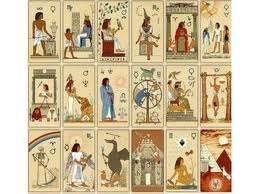
EL LIBRO DE THOT (TAROT).

El Tarot es una baraja de 78 cartas, es un método de adivinación e investigación de la psique, de la relación del hombre con el Universo. Se lo emplea para la meditación, en la práctica de la magia ritual, y además como poderoso agente psicoterapéutico en el análisis y consejos psicológicos. Máquina filosófica que impide al espíritu extraviarse, es la clave de todo el esoterismo occidental. El Tarot es un libro de filosofía hermética, escrito con imágenes y que expresa a traves de caracteres y números, ideas universales, sabiduría de todos los tiempos. Las imágenes reflejan como espejos lo que ese océano profundo y misterioso del inconsciente, sabe, y que la consciencia, ignora.

Uno se pierde en un viaje de auto conocimiento y auto desarrollo, entre locos, amantes emperatrices y magos. Nos subimos a la rueda de la fortuna con la ilusión que nos deposite al final de la escalera de la torre, en donde nos espera nuestro amado o amada. Para que la justicia divina nos bendiga con el calor del sol, y ya no nos alcance el juicio final. Bien en lo alto al fin podremos ver el mundo tal cual es y entender el porque de nuestro protagonismo.

Friday, 17 February 2012

When Lullabies Can No Longer Be Heard.

By Viviana Gomez

The gods were so disappointed with the humans they had created that decided to finish them off. But one more chance would be given to the leaders of the people to save the human being. They had to show one fact, just one, why people would worth their existence. On the day marked to destroy the world a crowd gathered to see their leaders fight for them. One by one, they gave magnificent speeches, justifying their actions, even the most cruel ones, and they argued with great hability and  reasoning, the decision of every war. They exposed their achievements in science and technologies, glorifying their power, social order and beautiful cities with pride.
But nothing convinced the gods, and getting even more disappointed with the speeches they decided to finish the humanity. But then a baby started to cry in the crowd. The mother in an apologizes attitude asked for one more minute to calm down her baby and the gods agreed. So she sang a beautiful lullaby with such love without care about anything else but her baby, even though the world would end a minute later, that the gods were moved, and decided that the humans worth another chance. The humanity  will end -they declared- when lullabies can no longer be heard.

Friday, 10 February 2012

Tantas Bocas

Haiku by Hebeblue - July - 2003


                              Frágil elixir:


                              Navegando temores


                              por tantas bocas.


Haiku: is a very short form of Japanese poetry typically characterised by three qualities:
  • The essence of haiku is the juxtaposition of two images or ideas and a kireji ("cutting word") between them.
  • Traditional haiku consist of 17 sylables  in three phrases of 5, 7 and 5 on respectively.
  • A kigo (seasonal reference), usually drawn from a saijiki, an extensive but defined list of such words. The majority of kigo, but not all, are drawn from the natural world. This, combined with the origins of haiku in pre-industrial Japan, has led to the inaccurate impression that haiku are necessarily nature poems.

Google Translator


It is your same moon, but upside down.

Tag

abandono (1) adios (1) alas (1) almas (2) amantes (3) amor (13) amore (1) amro (1) angel (1) arena (1) assignment (1) astrologia (1) baby (1) bocas (1) book (1) breakheart (1) Chris Van Allsburg (1) clandestin (1) come back (1) competition (1) corazon (2) corazon roto (1) cruz (1) cultura (1) dancing (1) dark (1) dealing (1) destino (1) dios (1) dream (1) egipto (1) elixir (1) empanadas (1) ending (1) english (2) espanol (1) esperar (1) espiritualidad (1) fantasy (1) following (1) future (1) gods (1) haiku (4) half room (1) heart (1) heartbreak (1) hebeblue (1) humanity (1) jesus (1) journalism (1) journey (1) juntos (1) love (10) lullaby (1) luz (1) magia (1) magic (1) mancias (1) mar (1) medio ambiente (1) meditacion (1) memories (1) moon (1) mother (1) mysteries (1) noche (1) Orinoquía (1) paisaje (1) paranormal (2) parent (1) park (1) partir. (1) photographer (1) poem (1) pride (1) psicologia (1) recuerdos (1) regreso (1) relaciones (1) relatiomship (2) relationship (2) relationships (1) religion (2) religion. (1) repulgue (1) roomates (1) runner (1) salteña (1) ser (2) shadow (1) snow (1) sombra (1) spanglish (1) spanish (4) sport (1) spring (1) stories (1) summer camp (1) tale (1) tarot (2) The fifth one ended up in France (1) tiempo (1) time (1) toronto (1) universo (1) valor (1) viaje (1) vida (2) volver (2) war (1) winning (1) winter (1) woman (1) writer (1) zilia castrillon (1)